
Article by Tamara Johnson
Confluence: The Performance Ritual
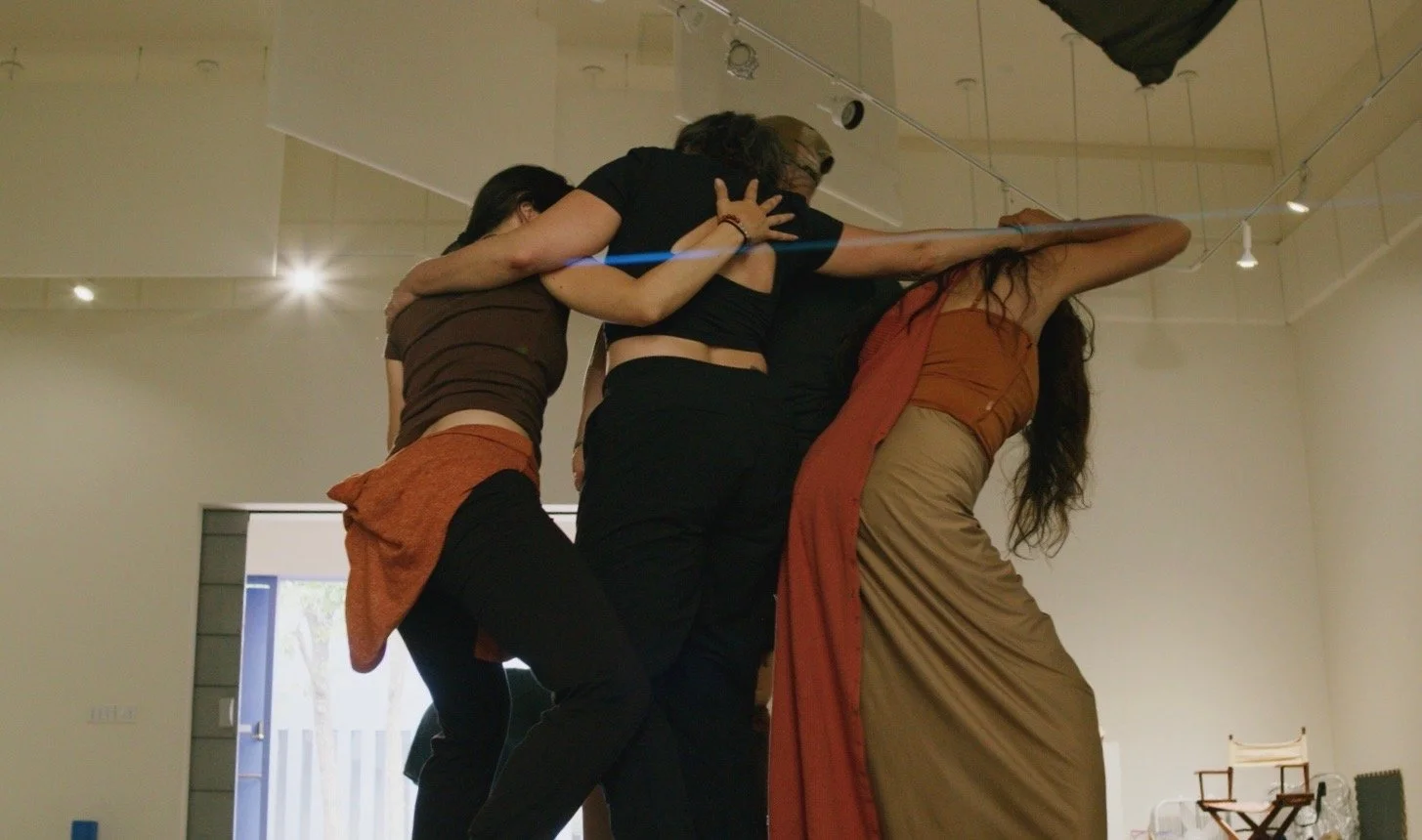
Photography by Terrance Clifford
In Confluence: The Performance Ritual, an extraordinary group of artists comes together to create a cross-cultural experience that is deeper than the sum of its parts (which are individually profound). Through solos exploring themes of ancestral memory, diaspora, healing, and the more-than-human world, the performance unfolds as a collective offering.
The work springs from a retreat last summer, facilitated by Rulan Tangen, founding director of Dancing Earth and a recent recipient of the Kennedy Center Citizen Artist Fellowship for Service, Justice, Freedom, Courage, and Gratitude.
"This all comes together through Rulan and deep connection," says interdisciplinary artist Humlåu Evans (Micronesian CHamoru, they/them). "She instinctively understands that connection is what the community needs—kinship, inspiration, and sharing of heart."
That spirit of connection extends to the work itself. "It's so interesting how Rulan brings together people and movement," says Gabriela Sharpfish (Lakota Sioux and Italian, she/her). "We're honoring concert dance, but we're also honoring our ancestral knowledge and our traditions. Bringing that together is so beautiful. It's something, as an artist and as a human, that I have been looking for my whole life."
Sharpfish's solo draws on her experience as an artist and activist, as well as community-based research. "I was angry about the lack of democracy we have today," says Sharpfish, "So I asked: what would a healthy sense of democracy be like? What makes people happy in America? What upsets them? What would they change?" The resulting piece uses collective testimony as inspiration for movement, weaving advocacy for Indigenous and women's rights into a vision for the future grounded in personal and communal experience. "I hope the audience feels like they're part of that conversation," she says, "not on the outside looking in, but among us."
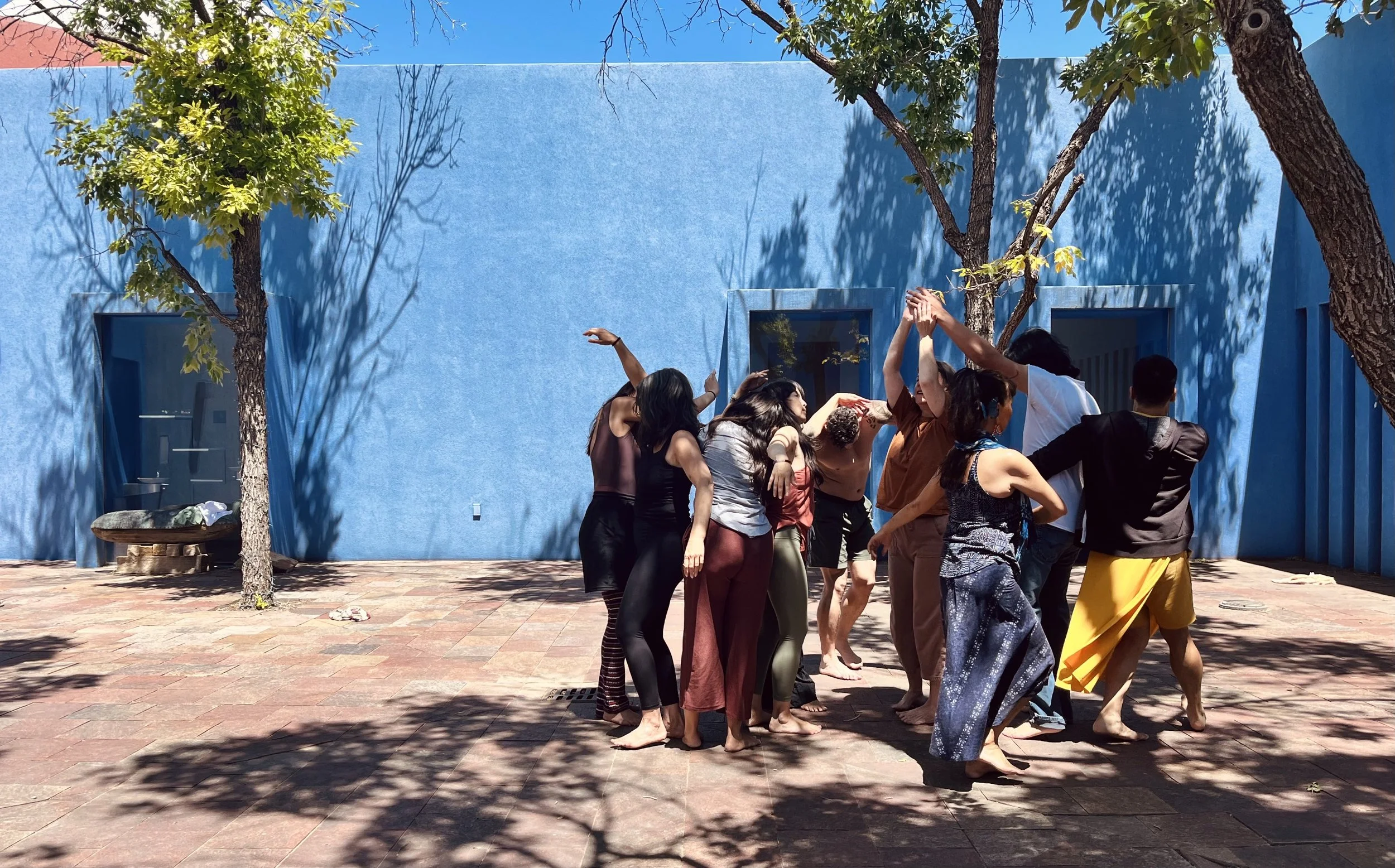
Image by Jade Whaanga
Evans brings their own history to the gathering. "Pacific Island culture resonates with a different perspective," they explain. "We're ocean people and navigators. We leave the island to bring strengths back and increase the resilience of the community." Their piece was catalyzed by a deeply personal moment. "My work stems from a desire to reconnect with my culture," says Evans. "My parents always told me, 'Never go back. There's is only hurt.'" But, after the passing of Evans' mother, their father gave them a box of her belongings, which were devoted to cultural preservation and connection. "I knew I had to give more to that," Evans says. "This is about retaking and reclaiming that space. I want to make sure that I share the heart I am still growing."
The confluence of these and the other artists' solos gives form to something deeply generous, even in response to pain. "These artists are pulling from their deepest personal histories," Evans says. "Come prepared to be in awe of how vulnerable people can be."